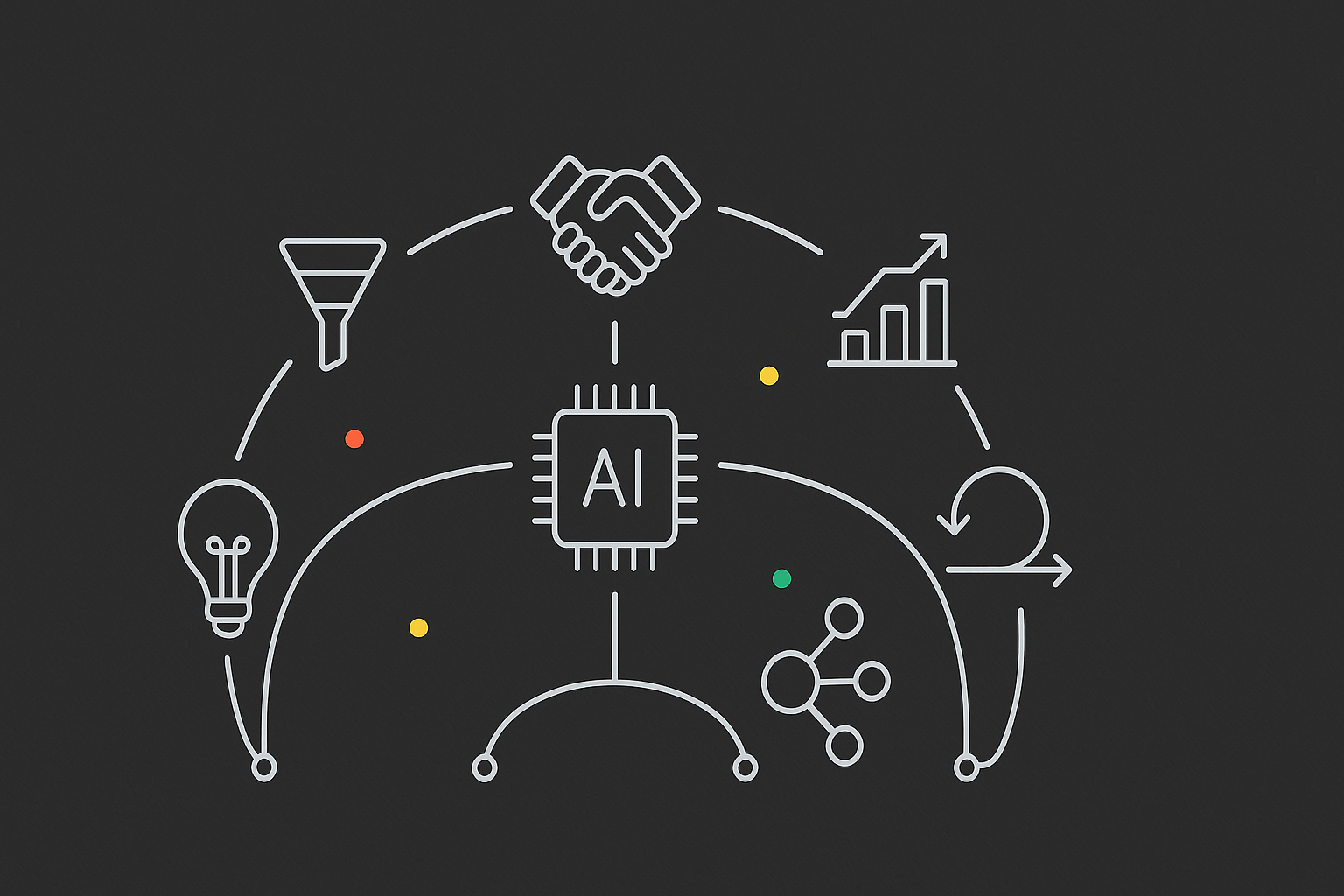
<p>In 2026, the race for attention is fierce and the pressure to deliver results is at an all-time high. Every advertising team faces a landscape that is more competitive and data-driven than ever.</p> <p>This expert guide pulls back the curtain on the strategies, technologies, and leadership principles that separate winning teams from the rest. You’ll get a proven roadmap to build, optimize, and lead your crew to measurable success in the digital era.</p> <p>Ready to future-proof your approach? Discover the new dynamics of advertising teams, must-have roles, cutting-edge tools, smarter workflows, collaboration tactics, and real-world success stories. Let’s get started.</p> <h2>The New Dynamics of Advertising Teams in 2026</h2> <p>The advertising team of 2026 looks nothing like its predecessor. As the digital world accelerates, agencies and brands are reinventing how teams work, collaborate, and deliver results. What’s driving these changes? Let’s break down the new rules and roles shaping advertising team success in a hyper-competitive era.</p> <img src="https://xqvnmkjynbkcujcrtubi.supabase.co/storage/v1/object/public/article-images/fe6dfb85-619c-483e-8697-40cbf6e86ed8/article-fe6dfb85-619c-483e-869-diagram-showing-a-modern-advertising-team-structur-0-rwop2u.jpg" alt="The New Dynamics of Advertising Teams in 2026"><h3>Shifting Industry Trends and Team Structures</h3> <p>The way an advertising team operates is evolving at record speed. Hybrid and remote-first structures are now the norm, giving organizations access to a global talent pool and allowing for round-the-clock campaign management. This shift has made flexibility and digital collaboration non-negotiable for any advertising team aiming for the top.</p> <p>AI and automation are no longer futuristic concepts—they are embedded in daily operations. According to AdWeek, by 2025, 68% of leading agencies have dedicated AI specialists. AI now handles tasks from data analysis to creative optimization, freeing up human talent for strategic problem-solving. <a href="https://www.forbes.com/councils/forbestechcouncil/2025/12/10/how-ai-could-reshape-your-companys-teams-by-2026/" target="_blank" rel="nofollow noopener noreferrer">AI's Impact on Marketing Teams by 2026</a> dives deeper into how AI agents are transforming not just workflows but also team structures, making multidisciplinary collaboration essential.</p> <p>Cross-functional teamwork has become a cornerstone for every high-performing advertising team. Creative, data, tech, and strategy experts work shoulder to shoulder, breaking down traditional silos. This approach allows for rapid adaptation when platforms or algorithms change—a must in a landscape where agility is the difference between leading and lagging.</p> <p><strong>Case Study: Agency X’s 2026 Structure</strong></p> <table> <thead> <tr> <th>Role</th> <th>Function</th> <th align="center">Hybrid/Remote?</th> </tr> </thead> <tbody><tr> <td>AI Strategist</td> <td>Data-driven campaign design</td> <td align="center">Yes</td> </tr> <tr> <td>Creative Lead</td> <td>Content, visuals, messaging</td> <td align="center">Yes</td> </tr> <tr> <td>Data Scientist</td> <td>Analytics, insights, attribution</td> <td align="center">Yes</td> </tr> <tr> <td>Automation Architect</td> <td>Workflow and process automation</td> <td align="center">Yes</td> </tr> <tr> <td>Media Planner</td> <td>Audience, channel, budget</td> <td align="center">Yes</td> </tr> </tbody></table> <p>Traditional boundaries are fading. The winning formula for an advertising team now centers on multidisciplinary expertise and seamless communication.</p> <h3>Key Roles and Skills for 2026 Success</h3> <p>To compete in 2026, an advertising team needs a fresh lineup of roles and skills. New positions like AI strategist, data storyteller, and automation architect are joining the roster. These roles are crucial for unlocking the full power of advanced analytics and automation.</p> <p><strong>Emerging Roles Table</strong></p> <table> <thead> <tr> <th>Role</th> <th>Core Skillset</th> <th>Impact on Team</th> </tr> </thead> <tbody><tr> <td>AI Strategist</td> <td>Machine learning, analytics</td> <td>Smarter targeting, ROI</td> </tr> <tr> <td>Data Storyteller</td> <td>Visualization, insight</td> <td>Actionable campaign ideas</td> </tr> <tr> <td>Automation Architect</td> <td>Systems, process design</td> <td>Faster, error-proof work</td> </tr> </tbody></table> <p>But it’s not just about new job titles. Every advertising team member must now flex analytical thinking, creative problem-solving, and tech fluency. Upskilling and reskilling are no longer perks—they are competitive necessities. Agencies that invest in continuous learning see faster innovation and higher campaign returns.</p> <p>Diversity and inclusion are also front and center. Teams that bring together different backgrounds and perspectives spark more creative ideas and avoid groupthink. For example, a high-performing 2026 advertising team might include:</p> <ul> <li>AI and data experts</li> <li>Creative leads with digital-first mindsets</li> <li>Media planners fluent in both traditional and emerging channels</li> <li>Operations pros skilled in agile workflows</li> </ul> <p>The result? Advertising team structures that are nimble, innovative, and always ready to seize new opportunities.</p> <h2>Building a High-Performance Advertising Team: Step-by-Step</h2> <p>Building a high-performance advertising team in 2026 is a structured journey. Success comes from careful planning, the right hires, a culture that sparks innovation, and systems that support continuous growth. Let’s break down each step so you can transform your advertising team into a future-ready powerhouse.</p> <img src="https://xqvnmkjynbkcujcrtubi.supabase.co/storage/v1/object/public/article-images/fe6dfb85-619c-483e-8697-40cbf6e86ed8/article-fe6dfb85-619c-483e-869-technical-diagram-showing-a-five-step-roadmap-for--1-ed4owd.jpg" alt="Building a High-Performance Advertising Team: Step-by-Step"><h3>Step 1: Defining Clear Roles and Accountability</h3> <p>A high-performing advertising team starts with crystal-clear roles. When responsibilities are mapped directly to business objectives, every team member knows their purpose.</p> <p>Role clarity prevents confusion, reduces overlap, and keeps projects running smoothly. Using frameworks like the RACI matrix (Responsible, Accountable, Consulted, Informed) ensures accountability across the advertising team.</p> <p><strong>Sample RACI Matrix for an Ad Campaign Launch:</strong></p> <table> <thead> <tr> <th>Task</th> <th>Responsible</th> <th>Accountable</th> <th>Consulted</th> <th>Informed</th> </tr> </thead> <tbody><tr> <td>Creative Concept</td> <td>Designer</td> <td>Creative Lead</td> <td>Strategist</td> <td>Client</td> </tr> <tr> <td>Data Analysis</td> <td>Analyst</td> <td>Data Lead</td> <td>Campaign Mgr</td> <td>Exec Team</td> </tr> <tr> <td>Media Buying</td> <td>Buyer</td> <td>Media Lead</td> <td>Data Lead</td> <td>Client</td> </tr> </tbody></table> <p>This structure empowers the advertising team to focus on results and adapt quickly to evolving campaign needs.</p> <h3>Step 2: Recruiting and Onboarding Top Talent</h3> <p>An advertising team’s strength lies in its talent. The search is now for hybrid professionals who blend creativity with analytical skills.</p> <p>Modern teams use AI-driven recruitment tools to identify candidates who can thrive in dynamic environments. Once hired, structured onboarding is key—clear checklists, mentorship, and early exposure to live projects help new hires ramp up 52% faster (LinkedIn Talent Report, 2025).</p> <p>For detailed tactics on finding and integrating top talent, see <a href="https://www.catchdigital.io/blog/marketing-agency-hiring" target="_blank" rel="noopener noreferrer">Agency hiring strategies</a>.</p> <p>Prioritize a welcoming environment so every new member feels empowered to make an impact on the advertising team from day one.</p> <h3>Step 3: Fostering a Culture of Innovation and Psychological Safety</h3> <p>Innovation flourishes in environments where risk-taking is celebrated. A high-performing advertising team encourages experimentation—try new formats, test bold creative, and review the results without fear of blame.</p> <p>Weekly “innovation sprints” provide a structured outlet for teams to pitch, prototype, and refine ideas. Open feedback loops and regular retrospectives ensure learning is continuous.</p> <p>Psychological safety allows every voice on the advertising team to be heard, fueling breakthrough campaigns and a stronger sense of ownership.</p> <h3>Step 4: Continuous Learning and Professional Development</h3> <p>In 2026, the pace of change means yesterday’s skills may not be enough for tomorrow. Leaders who champion continuous learning give their advertising team a clear competitive edge.</p> <p>Upskill in AI, data analysis, and emerging adtech using microlearning platforms or just-in-time training modules. Share success stories—like agencies that boosted ROI by 35% after focused AI training—to inspire participation.</p> <p>A culture of learning keeps the advertising team agile, resilient, and ready for whatever comes next.</p> <h3>Step 5: Performance Management and Recognition</h3> <p>What gets measured gets managed. High-performance advertising teams track progress using real-time dashboards and data-driven KPIs.</p> <p>Peer recognition programs, like monthly “impact awards,” spotlight outstanding contributions and keep motivation high. Regular check-ins ensure goals are aligned, and everyone knows how their work drives business growth.</p> <p>A transparent approach to performance management helps every advertising team member see their value, celebrate wins, and strive for continuous improvement.</p> <h2>Essential Tools and Technologies for Advertising Teams in 2026</h2> <p>To keep pace in 2026, every advertising team needs a toolkit that's both state-of-the-art and deeply integrated. The right mix of AI, collaboration platforms, and data technologies is the foundation for speed, transparency, and measurable results. Let's break down the essential systems powering high-performing teams.</p> <img src="https://xqvnmkjynbkcujcrtubi.supabase.co/storage/v1/object/public/article-images/fe6dfb85-619c-483e-8697-40cbf6e86ed8/article-fe6dfb85-619c-483e-869-informational-graphic-in-diagram-style-showing-the-2-glf112.jpg" alt="Essential Tools and Technologies for Advertising Teams in 2026"><h3>The AI-Powered Advertising Stack</h3> <p>AI is now the backbone of every successful advertising team. In 2026, AI-driven platforms handle everything from real-time media buying to dynamic creative optimization. Predictive analytics help teams anticipate audience behaviors, while automation tools streamline repetitive tasks, freeing up time for strategy and creative work.</p> <p>According to the <a href="https://basis.com/wp-content/uploads/2025/08/AI-and-the-Future-of-Marketing2025Basis.pdf" target="_blank" rel="nofollow noopener noreferrer">AI Adoption in Marketing and Advertising</a> report, 95% of industry professionals use AI regularly, making it a non-negotiable part of the modern advertising team tech stack.</p> <p>Top tools include:</p> <ul> <li>AI-powered DSPs for media buying</li> <li>Automated bidding and budget allocation systems</li> <li>Machine learning platforms for creative testing</li> </ul> <p>A leading global brand recently used AI to reduce its cost per acquisition by 28% in just one quarter. For any advertising team aiming for scale and efficiency, leveraging AI is no longer optional—it's essential.</p> <h3>Collaboration and Workflow Platforms</h3> <p>Seamless collaboration is the secret weapon of every high-performing advertising team. With hybrid and remote work as the norm, integrated project management tools like Asana and Monday.com keep campaigns on track and teams aligned.</p> <p>Real-time creative collaboration platforms, such as Figma and Miro, empower designers, strategists, and analysts to iterate together, regardless of location. Centralized asset management and approval systems cut down on bottlenecks, ensuring assets move smoothly from concept to launch.</p> <p>Stat box:</p> <table> <thead> <tr> <th>Tool Type</th> <th>Example Platforms</th> <th>2026 Impact</th> </tr> </thead> <tbody><tr> <td>Project Management</td> <td>Asana, Monday.com</td> <td>Faster campaign delivery</td> </tr> <tr> <td>Creative Collaboration</td> <td>Figma, Miro</td> <td>Real-time asset iteration</td> </tr> <tr> <td>Asset Management</td> <td>Brandfolder, Bynder</td> <td>Streamlined approvals</td> </tr> </tbody></table> <p>Over 63% of agencies report higher campaign velocity when using integrated toolsets. For an advertising team, the right workflow platform is the difference between chaos and clarity.</p> <h3>Data and Attribution Technologies</h3> <p>Privacy-first targeting and advanced attribution are must-haves for any advertising team in 2026. First-party data platforms ensure compliance while delivering powerful audience insights. Sophisticated attribution models help teams understand the full customer journey across channels, enabling smarter budget decisions.</p> <p>Visual dashboards give real-time access to campaign performance, letting every advertising team member spot trends and optimize quickly.</p> <p>Key features to look for:</p> <ul> <li>Privacy-compliant audience segmentation</li> <li>Multi-touch attribution modeling</li> <li>Customizable, role-based dashboards</li> </ul> <p>For an advertising team determined to win, these data tools turn information into action—and results.</p> <h2>Optimizing Team Collaboration and Communication</h2> <p>Effective collaboration and communication are the backbone of every high-performing advertising team. In 2026, these skills are vital for keeping up with rapid changes, aligning around shared goals, and delivering standout campaigns.</p> <img src="https://xqvnmkjynbkcujcrtubi.supabase.co/storage/v1/object/public/article-images/fe6dfb85-619c-483e-8697-40cbf6e86ed8/article-fe6dfb85-619c-483e-869-technical-diagram-showing-a-modern-advertising-tea-3-czvp69.jpg" alt="Optimizing Team Collaboration and Communication"><h3>Building a Unified Vision and Mission</h3> <p>A unified vision gives your advertising team a clear sense of direction. Start by defining shared KPIs that connect everyone to business outcomes. Regularly communicate campaign objectives and expectations, ensuring transparency across all levels.</p> <p>Quarterly vision workshops are a proven tactic. In these sessions, teams revisit the mission, discuss progress, and recalibrate goals. This approach empowers every advertising team member to see how their work fits into the bigger picture.</p> <p>When everyone understands the mission, collaboration becomes natural, and silos fade. The result is a motivated advertising team driving toward a common destination.</p> <h3>Streamlining Meetings and Asynchronous Workflows</h3> <p>Meeting overload can drain energy and slow your advertising team. The move toward asynchronous workflows is reshaping how teams communicate. Digital standups and async updates replace daily meetings, freeing up more time for deep work.</p> <p>Clear documentation is essential. Use shared project boards and knowledge bases to keep everyone informed, even across time zones. According to Buffer’s State of Remote Work 2025, teams using async workflows report 24 percent higher productivity.</p> <p>By streamlining communication, your advertising team keeps projects moving quickly, reduces friction, and supports a healthier work-life balance.</p> <h3>Effective Feedback and Conflict Resolution</h3> <p>Open feedback is the heartbeat of a resilient advertising team. Schedule regular, structured sessions to surface challenges and celebrate wins. The “Start-Stop-Continue” model is a simple way to give actionable feedback without blame.</p> <p>Conflicts are inevitable, especially in fast-paced advertising team environments. Establish clear frameworks for resolving disagreements early, such as mediation checklists or designated facilitators.</p> <p>A culture of psychological safety allows every advertising team member to voice ideas and concerns. This not only resolves issues quickly, but also sparks innovation and continuous improvement.</p> <h3>Cross-Functional Collaboration Techniques</h3> <p>In 2026, cross-functional work is a must for any advertising team aiming for agility. Embed creative, data, and media specialists early in project planning. Rotating team leads brings fresh perspectives and prevents burnout.</p> <p>Collaboration tools like real-time whiteboards and version control systems streamline handoffs. For advanced strategies, explore <a href="https://www.catchdigital.io/blog/digital-growth-marketing" target="_blank" rel="noopener noreferrer">growth marketing frameworks</a> that promote seamless teamwork and data-driven decision making.</p> <p>When an advertising team breaks out of traditional silos and leverages diverse skills, the result is faster iterations, smarter campaigns, and measurable business impact.</p> <h2>Measuring and Scaling Advertising Team Performance</h2> <p>In the race for advertising team excellence, what gets measured truly gets improved. High-performing advertising teams in 2026 are defined by their ability to measure, optimize, and scale every aspect of their workflow. Let’s break down the proven tactics and frameworks that keep top teams ahead of the curve.</p> <h3>Setting SMART Goals and KPIs</h3> <p>Every advertising team thrives on clarity. Setting SMART (Specific, Measurable, Achievable, Relevant, Time-bound) goals aligns team efforts with business outcomes. For example, rather than “improve campaign performance,” a SMART goal would be “increase ROAS by 20% within Q1.”</p> <p><strong>Common KPIs for advertising team success:</strong></p> <table> <thead> <tr> <th>KPI</th> <th>What It Measures</th> <th>Why It Matters</th> </tr> </thead> <tbody><tr> <td>CAC</td> <td>Cost to acquire customers</td> <td>Drives budget efficiency</td> </tr> <tr> <td>ROAS</td> <td>Return on ad spend</td> <td>Gauges campaign profitability</td> </tr> <tr> <td>LTV</td> <td>Customer lifetime value</td> <td>Informs targeting and spend</td> </tr> <tr> <td>Campaign Velocity</td> <td>Speed of campaign launches</td> <td>Reflects agility and output</td> </tr> </tbody></table> <p>By tracking these KPIs, an advertising team can quickly spot what’s working. For a deeper dive into structuring and measuring team performance, check out this guide on <a href="https://www.catchdigital.io/blog/performance-marketing-manager" target="_blank" rel="noopener noreferrer">performance marketing leadership</a>.</p> <h3>Implementing Real-Time Performance Dashboards</h3> <p>Timely insights empower an advertising team to act fast. Real-time dashboards centralize campaign data, giving visibility to everyone from creative leads to data analysts. These dashboards are tailored by role—media buyers see spend and results, while creatives track engagement.</p> <p>Teams using real-time dashboards can respond to underperforming ads up to 30% faster, minimizing wasted spend. Visual widgets, instant alerts, and customizable reports turn raw data into actionable intelligence. The result? An advertising team that always knows where it stands and what to do next.</p> <h3>Iterative Optimization and Growth Loops</h3> <p>Optimization is never one and done. High-performing advertising teams embrace growth loops: a cycle of testing, learning, and refining. Regular retrospectives help teams reflect on wins and misses, while A/B testing uncovers what truly resonates.</p> <p><strong>Growth Loop Framework:</strong></p> <ul> <li>Set experiment goals</li> <li>Launch variant campaigns</li> <li>Gather and analyze results</li> <li>Apply learnings to the next iteration</li> </ul> <p>By embedding this process, an advertising team stays agile, continuously improving creative and strategy. This approach unlocks incremental gains that add up to major wins over time.</p> <h3>Scaling Teams for Growth</h3> <p>Scaling an advertising team is about knowing when to add talent, automate, or partner. Use data-driven signals—like campaign load or velocity—to decide if hiring or outsourcing is the smarter move. Agency partnerships can provide surge capacity, specialized skills, and fresh perspectives.</p> <p>Building playbooks for onboarding and campaign processes ensures repeatable success as the advertising team grows. The most scalable teams are those that document best practices, foster knowledge sharing, and stay ready to adapt.</p> <h2>Real-World Examples: Winning Advertising Teams in 2026</h2> <p>What does an exceptional advertising team look like in 2026? Let’s break down three real-world case studies that show how forward-thinking teams are thriving in this high-stakes landscape.</p> <h3>Case Study 1: Transforming a Traditional Team for the AI Era</h3> <p>A mid-sized agency realized their advertising team was lagging behind the competition as AI reshaped the industry. Leadership committed to a full transformation, investing heavily in upskilling and onboarding new roles like AI strategist and automation architect. The team adopted advanced AI-driven frameworks, such as those described in this <a href="https://arxiv.org/abs/2504.00338" target="_blank" rel="nofollow noopener noreferrer">AI-Driven Advertising Framework</a>, to automate campaign optimization and hyper-personalize creative output.</p> <p>They restructured their organization chart to break down silos and promote collaboration between creative, data, and tech. After six months, the advertising team reported:</p> <table> <thead> <tr> <th>Metric</th> <th>Before AI Era</th> <th>After Transformation</th> </tr> </thead> <tbody><tr> <td>Campaign ROI</td> <td>+12%</td> <td>+40%</td> </tr> <tr> <td>Creative Cycle Time</td> <td>20 days</td> <td>10 days</td> </tr> <tr> <td>AI-Driven Optimizations</td> <td>None</td> <td>Daily</td> </tr> </tbody></table> <p>This transformation empowered the advertising team to deliver faster, more data-driven results—positioning them as a leader in the 2026 market.</p> <h3>Case Study 2: Full-Funnel Collaboration Drives B2B Success</h3> <p>A global B2B company needed its advertising team to break free from traditional silos. They formed a cross-functional squad, integrating sales, marketing, creative, and data specialists. The new structure enabled unified campaign planning, real-time data sharing, and end-to-end attribution.</p> <p>Key changes included:</p> <ul> <li>Embedding a data storyteller into every campaign squad</li> <li>Weekly syncs between creative and sales for message consistency</li> <li>Centralized dashboards to track multi-touch journeys</li> </ul> <p>The advertising team achieved:</p> <ul> <li><strong>3x increase in qualified leads</strong></li> <li><strong>25% reduction in CAC</strong></li> <li>Personalized messaging at every funnel stage</li> </ul> <p>This approach empowered the advertising team to quickly iterate, align with business goals, and drive measurable growth.</p> <h3>Case Study 3: E-commerce Brand Scales with Agile Team Structure</h3> <p>An e-commerce brand’s advertising team embraced agile methodology, forming small pods with creative, data, and media experts. These pods launched campaigns rapidly, using weekly retrospectives and microlearning to drive ongoing improvement.</p> <p>Their workflow:</p> <ul> <li>Daily standups for clear priorities</li> <li>“Innovation sprints” for creative experimentation</li> <li>Automated reporting for instant feedback</li> </ul> <p>Results for the advertising team included:</p> <table> <thead> <tr> <th>Metric</th> <th>Previous Year</th> <th>After Agile Pods</th> </tr> </thead> <tbody><tr> <td>Go-to-Market Speed</td> <td>4 weeks</td> <td>1.5 weeks</td> </tr> <tr> <td>Revenue Growth (YoY)</td> <td>50%</td> <td>100%</td> </tr> <tr> <td>Campaign Variants</td> <td>3</td> <td>10+</td> </tr> </tbody></table> <p>By empowering each advertising team pod to own results and adapt quickly, the brand doubled its year-over-year revenue and dramatically outpaced competitors.</p> <h3>Key Takeaways from High-Performing Teams</h3> <p>What do these winning teams have in common? Each advertising team prioritized agility, invested in continuous learning, and used data as their north star. They embraced multidisciplinary roles and broke down barriers to collaboration.</p> <p>If you want to build an advertising team for 2026, focus on:</p> <ul> <li>Upskilling and reskilling for AI and data fluency</li> <li>Creating cross-functional pods or squads</li> <li>Embedding feedback and rapid iteration cycles</li> <li>Leveraging resources like <a href="https://www.catchdigital.io/blog/digital-marketing-team" target="_blank" rel="noopener noreferrer">Building a digital marketing team</a> to refine your structure</li> </ul> <p>Adopt these strategies and your advertising team will be ready to not just survive, but thrive in the ever-evolving digital landscape.<br><br>Ready to turn these expert insights into real results for your own advertising team? If you’re aiming to build a future proof, high performance team that thrives on data, creativity, and agility, you don’t have to do it alone. At Catch Digital, we specialize in helping businesses like yours create scalable systems that deliver measurable ROI—no guesswork, just radical transparency and proven growth strategies. Let’s chat about your goals and how we can help you lead the pack in 2026 and beyond.<br><a href="https://www.catchdigital.io/book-a-consultation" target="_blank" rel="noopener noreferrer">Book a Strategy Call</a></p>