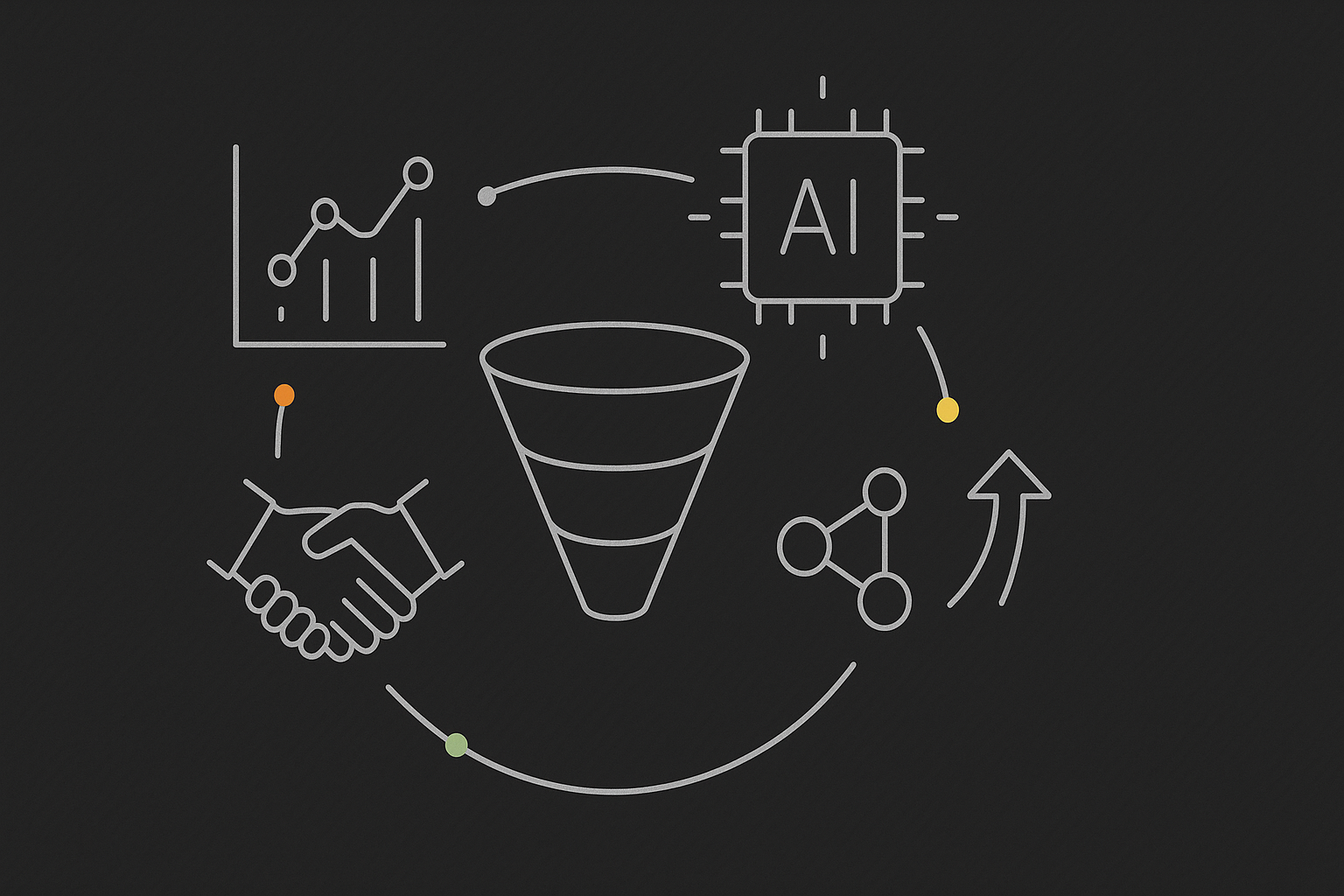
<p>Marketing is evolving at breakneck speed, making it essential for businesses to adopt a marketing driven mindset to thrive in 2026. As customers expect personalized, seamless experiences and artificial intelligence transforms how brands engage, only the adaptable will stay ahead. Embracing a marketing driven approach brings real advantages: scalable growth, loyal customers, and lasting market leadership. This guide delivers a practical, step-by-step roadmap to help leaders build and execute strategies that drive measurable results. You’ll discover how to shift your thinking, operationalize frameworks, leverage data and technology, empower teams, and measure impact—everything needed for marketing driven success in the years ahead.</p> <h2>Defining Marketing-Driven Success in 2026</h2> <p>The marketing driven landscape is evolving faster than ever. In 2026, businesses that thrive are those that put marketing at the heart of every decision. This means not just running campaigns, but building a culture and operating model where customer insights, data, and creativity drive every move.</p> <img src="https://xqvnmkjynbkcujcrtubi.supabase.co/storage/v1/object/public/article-images/4e070080-5b80-4ab9-a170-8c066eb791c6/article-4e070080-5b80-4ab9-a17-a-clear-infographic-style-diagram-on-f8f8f8-backgr-0-8pz03o.jpg" alt="Defining Marketing-Driven Success in 2026"><h3>The Evolution of Marketing-Driven Strategy</h3> <p>The shift from product- and sales-driven models to marketing driven approaches has redefined success. Previously, companies focused on pushing products or maximizing quick sales. Today, the winners are those who embed customer-centricity and data-driven insights into every layer of their business.</p> <p>Take Apple and Tesla, for example. Both excel because marketing is woven into product development and the customer experience itself. Their agility lets them adapt quickly to rapid market changes. Personalization and real-time engagement are now essential, as consumers expect brands to anticipate their needs and deliver seamless interactions.</p> <p>Modern marketing driven organizations are not just responsive, they are proactive in shaping trends and experiences. This evolution demands a mindset where adaptability, listening, and innovation are the norm.</p> <h3>Key Characteristics of Marketing-Driven Organizations</h3> <p>A true marketing driven company makes customer value the focus of every department. This culture encourages cross-functional collaboration, breaking down silos so teams work together toward unified goals. </p> <p>Customer insights and feedback loops are prioritized. Companies that excel here report higher customer retention and stronger Net Promoter Scores (NPS). For example, by aligning product, sales, and marketing teams, businesses can accelerate growth and ensure messaging stays consistent at every touchpoint.</p> <table> <thead> <tr> <th>Characteristic</th> <th>Sales-Driven</th> <th>Marketing Driven</th> </tr> </thead> <tbody><tr> <td>Focus</td> <td>Transactions</td> <td>Customer Value</td> </tr> <tr> <td>Collaboration</td> <td>Siloed</td> <td>Cross-functional</td> </tr> <tr> <td>Feedback</td> <td>Infrequent</td> <td>Continuous</td> </tr> <tr> <td>KPIs</td> <td>Sales/CAC</td> <td>NPS/Retention</td> </tr> </tbody></table> <p>A marketing driven approach turns every interaction into an opportunity for loyalty and advocacy.</p> <h3>Core Pillars of Success in 2026</h3> <p>To achieve marketing driven success in 2026, organizations must build on several core pillars:</p> <ul> <li>Data-driven decision making at every level</li> <li>Seamless integration of technology and human creativity</li> <li>Omnichannel presence with consistent messaging</li> <li>Agile experimentation and rapid iteration</li> <li>Customer journey mapping for frictionless experiences</li> </ul> <p>This foundation allows businesses to scale growth efficiently and respond quickly to shifting consumer expectations. For a deeper look at how these strategies come together for scalable growth, check out <a href="https://www.catchdigital.io/blog/growth-digital-marketing" target="_blank" rel="noopener noreferrer">Growth Digital Marketing Strategies</a>.</p> <p>A marketing driven mindset ensures these pillars are not just buzzwords, but daily practice.</p> <h3>Common Challenges and Pitfalls</h3> <p>Even with the best intentions, many companies struggle to become truly marketing driven. The most common barriers include resistance to change and legacy mindsets that cling to old habits. Data silos block actionable insights, while an overemphasis on short-term sales can undermine long-term brand building.</p> <p>Lack of investment in technology and training also holds teams back. Companies that remain stuck in sales-driven approaches often see diminishing returns and lower customer loyalty over time.</p> <p>Avoiding these pitfalls requires commitment, openness to new ideas, and a willingness to learn from both successes and setbacks. Building a marketing driven organization is a journey, not a one-time project.</p> <h2>Building a Marketing-Driven Culture and Mindset</h2> <p>Creating a marketing driven culture demands more than a slogan on the wall. It starts at the top, inspires every team, and becomes the heartbeat of how your business thinks and acts. Here’s how leading organizations in 2026 are making it real.</p> <img src="https://xqvnmkjynbkcujcrtubi.supabase.co/storage/v1/object/public/article-images/4e070080-5b80-4ab9-a170-8c066eb791c6/article-4e070080-5b80-4ab9-a17-a-clear-schematic-diagram-showing-the-four-pillars-1-9ovs6k.jpg" alt="Building a Marketing-Driven Culture and Mindset"><h3>Leadership Commitment and Vision</h3> <p>A marketing driven transformation begins with leadership. Executives must champion customer-centricity, making it a visible priority in every decision. Leaders who regularly engage in “voice of customer” sessions set the tone for innovation, encouraging teams to embrace change and experiment boldly.</p> <p>Clear, measurable goals keep the organization focused. When leadership models marketing driven thinking, they break down old habits and rally teams around shared growth objectives. This vision inspires confidence and signals that marketing driven values are more than a passing trend.</p> <h3>Employee Engagement and Cross-Functional Collaboration</h3> <p>A thriving marketing driven culture empowers every employee to think like a marketer, regardless of their role. Teams are encouraged to share ideas, take risks, and work together on projects that span departments.</p> <p>Regular cross-functional workshops and collaborative sprints help dissolve silos. For practical guidance on structuring and enabling high-performing teams, see <a href="https://www.catchdigital.io/blog/digital-marketing-team" target="_blank" rel="noopener noreferrer">Building a Marketing Team</a>. Organizations that prioritize collaboration not only innovate faster but also create a workplace where marketing driven thinking becomes second nature.</p> <h3>Training, Upskilling, and Continuous Learning</h3> <p>Staying marketing driven in 2026 requires constant learning. The pace of change in digital marketing, analytics, and customer behavior means yesterday’s skills need regular refreshment. Invest in digital literacy, analytics, and creativity training to keep your teams sharp.</p> <p>Access to industry certifications, hands-on workshops, and a “test and learn” environment fosters curiosity and adaptability. Companies that prioritize upskilling see their marketing driven strategies translate into higher campaign effectiveness and better business results.</p> <h3>Embedding Customer Insights into Daily Operations</h3> <p>The most successful marketing driven organizations don’t just collect customer feedback—they act on it. Systematically gathering NPS, CSAT, and qualitative insights ensures decisions are rooted in real customer needs.</p> <p>Sharing these insights across teams enables everyone to contribute to a seamless experience. For example, retail brands that map customer journeys and close feedback loops can quickly reduce friction and boost loyalty. Embedding marketing driven feedback mechanisms in daily operations turns customer insight into a competitive edge.</p> <h2>Operationalizing Marketing-Driven Strategy</h2> <p>Turning a marketing driven vision into reality requires a practical, step-by-step approach. Success hinges on building systems that connect data, teams, technology, and experimentation into a seamless, growth-focused engine. Let’s break down how to operationalize your marketing driven strategy for 2026.</p> <h3>Designing a Data-Driven Operational Framework</h3> <p>A marketing driven organization puts data at the heart of every process. Start by integrating analytics into daily workflows, ensuring teams have real-time access to performance metrics that matter. Set clear KPIs that align with business outcomes, such as customer retention, lifetime value, and engagement rates.</p> <p>Dashboards are essential. Build them for transparency and quick decision making. For actionable measurement and attribution, consider using tools like <a href="https://www.catchdigital.io/blog/advanced-utm-attribution-tracking-guide" target="_blank" rel="noopener noreferrer">Advanced UTM Attribution Tracking</a> to accurately connect marketing efforts to results.</p> <p>Key elements of an effective framework:</p> <ul> <li>Unified dashboards for campaign and channel performance</li> <li>KPIs tied to customer-centric outcomes</li> <li>Regular data reviews to spot trends early</li> </ul> <p>When data flows freely, your marketing driven decisions become faster and more impactful.</p> <h3>Integrating Customer Insights Across the Business</h3> <p>Marketing driven success depends on translating customer feedback into business improvements. Build mechanisms for collecting insights at every touchpoint, then share findings across departments.</p> <p>Form cross-functional teams to analyze feedback and implement changes. For example, B2B SaaS companies often use customer interviews to guide product roadmaps and prioritize features.</p> <p>Action steps:</p> <ul> <li>Thematic analysis of support tickets and survey responses</li> <li>Regular feedback sessions with product, sales, and marketing teams</li> <li>Sharing insights through internal newsletters or dashboards</li> </ul> <p>This approach ensures your marketing driven strategy is rooted in real customer needs.</p> <h3>Leveraging Technology and Automation</h3> <p>To scale a marketing driven approach, invest in technology that connects data, processes, and people. Implement CRM platforms, marketing automation tools, and AI-powered analytics to streamline operations.</p> <p>Automation amplifies your reach and personalizes communication at scale. E-commerce brands, for instance, use AI for dynamic content and tailored recommendations, boosting engagement.</p> <p>Checklist for tech stack integration:</p> <ul> <li>CRM for unified customer profiles</li> <li>Marketing automation for lead nurturing and segmentation</li> <li>AI tools for predictive analytics and personalization</li> </ul> <p>Tech and human creativity join forces to power a truly marketing driven organization.</p> <h3>Fostering Agile Experimentation and Innovation</h3> <p>Agility is non-negotiable for any marketing driven business in 2026. Encourage teams to prototype campaigns quickly, running A/B or multivariate tests to learn what resonates.</p> <p>Make experimentation part of your culture. Agile marketing teams launch, measure, and iterate faster, leading to higher ROI and faster go-to-market cycles.</p> <p>Agile best practices:</p> <ul> <li>Weekly sprints for campaign development</li> <li>Transparent sharing of both wins and lessons learned</li> <li>Rapid adjustments based on real-time data</li> </ul> <p>With every experiment, your marketing driven strategy becomes sharper and more resilient.</p> <h3><a href="https://catchdigital.io" target="_blank" rel="noopener noreferrer">Catch Digital: Building Predictable, Scalable Growth Systems</a></h3> <p>For organizations ready to accelerate their marketing driven transformation, Catch Digital is a strategic partner. Their expertise lies in blending strategy, data, creative, and technology for scalable, full-funnel growth.</p> <img src="https://xqvnmkjynbkcujcrtubi.supabase.co/storage/v1/object/public/article-images/4e070080-5b80-4ab9-a170-8c066eb791c6/1766996601680-https__catchdigitalio.jpg" alt="Marketing Driven Guide: Strategies for Success in 2026 - Catch Digital: Building Predictable, Scalable Growth Systems"><p>Catch Digital’s proprietary tracking technology ensures radical transparency in reporting. For example:</p> <ul> <li>RISE Athlete scaled customer service capacity 10x</li> <li>Downtown Dog Lounge saw immediate, measurable growth</li> </ul> <p>What sets Catch Digital apart?</p> <ul> <li>Flexible, partnership-based approach</li> <li>End-to-end support: from strategy to execution</li> <li>Systems built for predictable, marketing driven growth</li> </ul> <p>If operationalizing a marketing driven strategy feels overwhelming, Catch Digital helps you turn vision into measurable results.</p> <h2>Harnessing Data, Analytics, and AI for Marketing Success</h2> <p>Unlocking marketing driven growth in 2026 begins and ends with data. The organizations leading the pack don’t just collect information. They transform raw data into actionable insights, using analytics and AI to fuel every decision, campaign, and customer interaction.</p> <img src="https://xqvnmkjynbkcujcrtubi.supabase.co/storage/v1/object/public/article-images/4e070080-5b80-4ab9-a170-8c066eb791c6/article-4e070080-5b80-4ab9-a17-informational-diagram-with-a-flow-from-unified-dat-2-o7lf7b.jpg" alt="Harnessing Data, Analytics, and AI for Marketing Success"><h3>Building a Unified Data Infrastructure</h3> <p>A marketing driven organization starts with a centralized, accessible data foundation. Siloed information is a thing of the past. Instead, unify first-party, third-party, and zero-party data in cloud-based platforms for a single source of truth.</p> <p>Retailers, for example, consolidate purchase history, browsing behavior, and loyalty data to create 360-degree customer views. This approach ensures every department operates with up-to-date, holistic insights. Data privacy and compliance, including GDPR and CCPA, are non-negotiable. Clean data isn’t just about accuracy; it’s the backbone of every marketing driven effort.</p> <h3>Advanced Analytics for Customer Insights</h3> <p>Once unified, data becomes a goldmine for marketing driven strategies. Predictive analytics help anticipate customer behaviors, such as likely churn or new product interest. Segmentation and clustering enable hyper-targeted campaigns, increasing relevance and response.</p> <p>Competitors leverage journey mapping and thematic analysis to uncover hidden patterns and pain points. In financial services, churn prediction models help teams intervene before customers leave. The result? Smarter campaigns, higher retention, and more efficient spend. Visualizing the analytics flow—from collection to insight—clarifies how each step powers marketing driven outcomes.</p> <h3>AI-Driven Personalization and Automation</h3> <p>AI is the catalyst for personalization at scale in marketing driven organizations. Machine learning tailors content, offers, and recommendations to individual customer needs. Chatbots and virtual assistants provide immediate, contextual support, while automated lead scoring ensures sales teams focus on high-potential prospects.</p> <p>SaaS platforms use AI to improve onboarding and drive retention. Industry estimates show AI-powered marketing can boost conversion rates by up to 50 percent. For a deeper dive into how AI is reshaping the future, see <a href="https://wfanet.org/knowledge/item/2025/12/12/10-marketing-trends-to-watch-out-for-in-2026" target="_blank" rel="nofollow noopener noreferrer">AI's Impact on 2026 Marketing Trends</a>. The impact of AI is not hype. It is a cornerstone of any marketing driven strategy.</p> <h3>Real-Time Measurement and Optimization</h3> <p>In a marketing driven environment, waiting weeks for campaign results is outdated. Real-time dashboards track KPIs like conversion, engagement, and revenue as they happen. Attribution modeling reveals which channels and touchpoints deliver the highest ROI.</p> <p>E-commerce brands, for example, adjust ad spend on the fly using live purchase data. Visual dashboards—with key metrics front and center—empower teams to tweak messaging, creative, or targeting instantly. This agility is what separates marketing driven leaders from the rest.</p> <h3>Data-Driven Decision Making at Every Level</h3> <p>True marketing driven success happens when everyone, from interns to executives, can access and act on insights. Self-serve analytics tools democratize data, speeding up decisions and reducing bottlenecks.</p> <p>Training is essential. Teams must learn not just to read reports, but to interpret and apply them. Competitors who prioritize actionable feedback loops see faster innovation and better outcomes. When data is woven into the culture, marketing driven strategies move from theory to everyday reality.</p> <h2>Executing Omnichannel, Customer-Centric Strategies</h2> <p>Creating a marketing driven approach in 2026 means meeting customers where they are, whenever and however they choose to interact. To do this, businesses must deliver cohesive, personalized experiences across every channel while ensuring feedback is a constant loop for improvement. Here’s how to build a seamless omnichannel, customer-centric engine.</p> <div data-youtube-video> <iframe src="https://www.youtube.com/embed/kc5a1wxCEbY" frameborder="0" allowfullscreen data-type="youtube" data-youtube-video-id="kc5a1wxCEbY" ></iframe> </div> <h3>Mapping and Optimizing the Customer Journey</h3> <p>The foundation of any marketing driven strategy is a clear understanding of your customer’s journey. Start by mapping every touchpoint, from initial awareness to post-purchase support. Identify friction points that may cause drop-offs or dissatisfaction. </p> <p>Leverage data to personalize each stage, using insights from past interactions to anticipate needs. For instance, hospitality brands have reduced drop-off rates by targeting interventions at key moments. If you want to see how real businesses increase conversions and retention through journey mapping, check out this <a href="https://www.catchdigital.io/blog/customer-journey-funnel-225-conversions-case-study" target="_blank" rel="noopener noreferrer">Customer Journey Funnel Case Study</a>.</p> <p>A well-mapped journey enables your team to move from guesswork to intentional, marketing driven action.</p> <h3>Orchestrating Omnichannel Campaigns</h3> <p>True omnichannel means more than just being present on every platform. It’s about coordinating messaging and timing so your brand feels unified everywhere. Sync your website, email, social, paid ads, SMS, and even offline touchpoints for a seamless customer experience.</p> <p>Teams must communicate clearly to ensure handoffs between channels never leave customers stranded. B2C brands that integrate SMS, push notifications, and email see higher engagement. According to industry benchmarks, companies with robust omnichannel strategies retain up to 89 percent of their customers.</p> <p>Want to stay ahead? Explore the <a href="https://ovative.com/impact/expert-insights/the-6-marketing-trends-to-watch-in-2026/" target="_blank" rel="nofollow noopener noreferrer">Emerging Marketing Trends for 2026</a> to understand how entertainment, social, and commerce are converging in the marketing driven landscape.</p> <h3>Personalization at Scale</h3> <p>Personalization is no longer a nice-to-have in a marketing driven world, it’s expected. Use behavioral data, preferences, and purchase history to tailor content and offers for each customer. AI-driven segmentation allows you to micro-target, delivering relevant experiences in real time.</p> <p>E-commerce leaders excel by recommending products based on browsing and buying patterns. Dynamic content adapts to each customer’s journey stage, making every interaction feel unique. As your personalization capabilities mature, your brand becomes more memorable and trusted.</p> <h3>Integrating Sales, Product, and Marketing Efforts</h3> <p>Omnichannel excellence requires breaking down silos. Align your sales, product, and marketing teams around unified goals, shared KPIs, and a single voice to the customer. </p> <p>Coordinate go-to-market strategies so product launches and sales campaigns reinforce each other. Tech companies thrive when marketing driven thinking guides both product design and outreach. This integration ensures your messaging is consistent, your teams are accountable, and your customer experience is seamless.</p> <h3>Continuous Feedback and Iteration</h3> <p>A marketing driven organization never stops learning. Build regular feedback cycles into your omnichannel strategy. Gather insights from each channel, analyze performance, and adjust quickly.</p> <p>Run optimization sprints to refine campaigns and user experiences. SaaS brands succeed by iterating onboarding flows based on real user feedback. Use visual feedback loops to keep improvements ongoing, so your marketing driven strategy stays ahead of evolving customer needs.</p> <h2>Measuring, Scaling, and Sustaining Marketing-Driven Success</h2> <p>A marketing driven approach only delivers long-term value when you measure what matters, scale what works, and sustain momentum. Success in 2026 is about building systems that adapt, learn, and outperform—not just launching campaigns and hoping for the best. Let’s break down how to turn marketing driven wins into repeatable, organization-wide growth.</p> <h3>Establishing Key Performance Indicators (KPIs)</h3> <p>Every marketing driven strategy starts with clear KPIs. Choose metrics that reflect both short-term wins and long-term brand health. Examples include NPS, customer retention, lifetime value, CAC, and conversion rates.</p> <p>A simple dashboard keeps your team focused. Here’s a sample layout:</p> <table> <thead> <tr> <th>KPI</th> <th>Target</th> <th>Frequency</th> <th>Owner</th> </tr> </thead> <tbody><tr> <td>NPS</td> <td>60+</td> <td>Quarterly</td> <td>CX Lead</td> </tr> <tr> <td>Retention Rate</td> <td>85%</td> <td>Monthly</td> <td>Marketing</td> </tr> <tr> <td>LTV</td> <td>$1,000+</td> <td>Annually</td> <td>Finance</td> </tr> <tr> <td>CAC</td> <td><$200</td> <td>Monthly</td> <td>Growth Lead</td> </tr> </tbody></table> <p>A marketing driven dashboard makes performance visible to all, encouraging accountability and swift action.</p> <h3>Attribution Modeling and ROI Analysis</h3> <p>Marketing driven organizations know that attribution is more than tracking clicks. Multi-touch attribution reveals which channels and touchpoints actually drive conversions.</p> <p>For example, many B2B companies use attribution models to optimize their channel spend. With robust attribution, you can see up to 30 percent higher marketing efficiency.</p> <p>A typical attribution chart might look like this:</p> <table> <thead> <tr> <th>Channel</th> <th>Touchpoints</th> <th>Contribution (%)</th> </tr> </thead> <tbody><tr> <td>Email</td> <td>3</td> <td>25</td> </tr> <tr> <td>Paid Ads</td> <td>2</td> <td>40</td> </tr> <tr> <td>Social</td> <td>2</td> <td>20</td> </tr> <tr> <td>Events</td> <td>1</td> <td>15</td> </tr> </tbody></table> <p>This clarity enables smarter investments and sharper marketing driven ROI.</p> <h3>Scaling What Works: From Pilot to Organization-Wide Adoption</h3> <p>Scaling marketing driven success means amplifying what’s proven. Start by identifying high-performing campaigns and distilling them into playbooks.</p> <p>Standard operating procedures (SOPs) let you replicate these wins across teams and regions. For example, a retailer might roll out a successful local campaign nationally using a step-by-step playbook.</p> <p><strong>Playbook Development Steps:</strong></p> <ol> <li>Document the winning process.</li> <li>Train teams on key tactics.</li> <li>Monitor results and refine.</li> <li>Share updates and lessons learned.</li> </ol> <p>A marketing driven playbook transforms one-off wins into sustainable growth.</p> <h3>Sustaining Growth Through Continuous Innovation</h3> <p>Long-term marketing driven success depends on constant innovation. Invest in new technology, data capabilities, and talent to stay ahead. Encourage annual “innovation sprints” where teams experiment with emerging channels and tactics.</p> <p>To anticipate what’s next, keep an eye on <a href="https://blog.adobe.com/en/publish/2025/12/09/four-creative-trends-define-marketing-2026" target="_blank" rel="nofollow noopener noreferrer">Creative Trends Shaping 2026 Marketing</a>. Industry leaders regularly update their strategies based on such insights, maintaining their competitive edge.</p> <p>A timeline of continuous improvement ensures that your marketing driven approach evolves with the market.</p> <h3>Benchmarking Against Industry Leaders</h3> <p>Finally, marketing driven organizations benchmark themselves against the best. Compare your performance to top brands like Apple, Tesla, and Salesforce.</p> <p>Here’s a quick comparison table:</p> <table> <thead> <tr> <th>Company</th> <th>Marketing Investment (%)</th> <th>NPS</th> <th>Growth Rate</th> </tr> </thead> <tbody><tr> <td>Industry Avg</td> <td>10</td> <td>40</td> <td>5%</td> </tr> <tr> <td>Leaders</td> <td>20+</td> <td>70+</td> <td>15%+</td> </tr> </tbody></table> <p>Industry leaders invest more in marketing driven initiatives and see outsized returns. Regular benchmarking helps you adapt proven strategies and keep raising the bar.<br><br>You’ve just explored the essential strategies, tech, and mindset shifts that define true marketing-driven success in 2026. If you’re ready to put these ideas into action and want a partner who lives and breathes data, creativity, and real results, why not take the next step? At Catch Digital, we help ambitious businesses like yours build predictable, scalable growth systems—always with full transparency and a partnership mindset. If you’re serious about future-proofing your growth, let’s connect and map out a plan tailored to your goals.<br><a href="https://www.catchdigital.io/book-a-consultation" target="_blank" rel="noopener noreferrer">Book a Strategy Call</a></p>