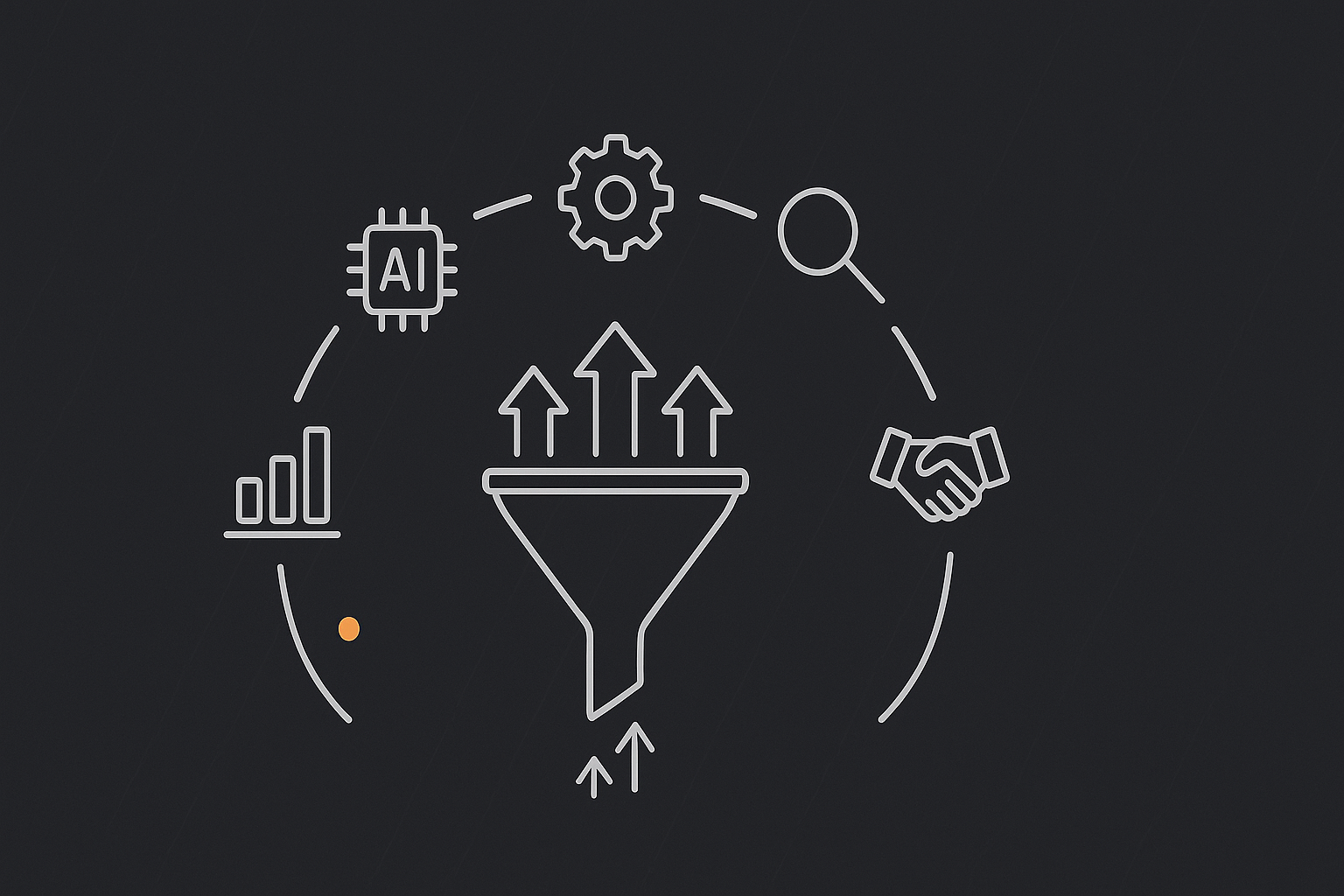
<p>In a digital world where change is constant, marketing manager growth is the new currency for success. Are you prepared to take the lead in 2026? This guide is your roadmap, packed with proven strategies, frameworks, and actionable insights to help you thrive.</p> <p>Discover how the role of the marketing manager is evolving, the must-have skills for the future, step-by-step growth strategies, and the latest technology trends shaping the industry. Whether you’re aiming to measure impact, accelerate your career, or seize new opportunities, this guide equips you to drive real, sustainable growth.</p> <h2>The Evolving Role of the Marketing Manager in 2026</h2> <p>The marketing manager growth journey is undergoing a transformation as we approach 2026. The landscape is shifting fast, and those who adapt will set the pace for the next wave of business growth. From full-funnel leadership to data-driven mindsets, let’s explore what’s redefining the job today.</p> <img src="https://xqvnmkjynbkcujcrtubi.supabase.co/storage/v1/object/public/article-images/da7fcb40-2367-44c4-bd76-cbfd6f9baf11/article-da7fcb40-2367-44c4-bd7-a-clear-labeled-informational-diagram-illustrating-0-6efap8.jpg" alt="The Evolving Role of the Marketing Manager in 2026"><h3>Key Shifts in Marketing Leadership</h3> <p>Marketing manager growth is now defined by a shift from traditional campaign execution to holistic, growth-oriented leadership. Instead of focusing on isolated campaigns, today’s leaders prioritize end-to-end customer lifecycle strategies that drive sustainable results.</p> <p>Full-funnel thinking is crucial. Marketing managers are expected to bridge creative and analytics, especially in SaaS and e-commerce, where rapid experimentation is the norm. This transformation also means working cross-functionally with product, sales, and tech teams to deliver measurable business outcomes.</p> <ul> <li>Rise of growth-oriented leadership</li> <li>Lifecycle strategies over single campaigns</li> <li>Stronger accountability for results</li> <li>Collaboration across departments</li> </ul> <p>This evolution positions marketing manager growth as a strategic, business-driving role.</p> <h3>Core Responsibilities & Expectations</h3> <p>In 2026, marketing manager growth is measured by the ability to make data-driven decisions and oversee complex, multi-channel campaigns. Success requires managing everything from SEO and paid ads to content and social media, while being directly accountable for revenue and retention.</p> <p>Today’s marketing managers also take charge of martech stacks and automation tools. A/B testing, detailed reporting, and continuous channel optimization are standard responsibilities. For example, growth marketers regularly run experiments to fine-tune messaging and boost conversions.</p> <ul> <li>Data-driven experimentation</li> <li>Oversight of all marketing channels</li> <li>Revenue and retention focus</li> <li>Martech and automation management</li> </ul> <p>Ultimately, marketing manager growth is about owning results and optimizing every touchpoint for impact.</p> <h3>Essential Mindsets for Growth</h3> <p>The mindset behind marketing manager growth is just as important as the skill set. Leading managers adopt growth hacking principles, embracing rapid iteration and constant learning. They put the customer at the center, personalizing experiences at every stage.</p> <p>Failure is seen as a valuable part of the testing process, fueling more agile and adaptive leadership. According to EDHEC (2025), 72% of high-performing teams use agile marketing principles. This approach empowers marketing managers to pivot quickly and seize new opportunities.</p> <ul> <li>Embrace rapid iteration</li> <li>Prioritize customer-centricity</li> <li>View failure as learning</li> <li>Lead with agility</li> </ul> <p>With the right mindset, marketing manager growth becomes a continuous journey of improvement.</p> <h3>The Impact of AI & Automation</h3> <p>AI and automation are now integral to marketing manager growth. AI-powered analytics deliver deep insights, while automation streamlines repetitive tasks and frees up time for strategic work.</p> <p>Personalization and segmentation are enhanced through machine learning, allowing for predictive targeting and smarter campaigns. Growth-focused managers use AI tools for everything from chatbots to advanced analytics, ensuring every marketing decision is informed by real data.</p> <ul> <li>AI-driven analytics and optimization</li> <li>Automated marketing workflows</li> <li>Hyper-personalized campaigns</li> <li>Predictive analytics for targeting</li> </ul> <p>Today’s marketing manager growth depends on leveraging these technologies to stay ahead of the curve.</p> <h3>Industry Trends Driving Change</h3> <p>Several industry trends are accelerating marketing manager growth. The rapid expansion of e-commerce and digital services means there’s a higher demand for hybrid professionals who blend creative and analytical skills.</p> <p>ROI and measurable results are now non-negotiable. Investment in martech and robust data infrastructure is rising as companies seek predictable growth. Growth marketing roles are projected to increase by 18% through 2026, according to industry forecasts.</p> <p>For a deeper dive into the latest growth marketing trends and insights, check out <a href="https://www.catchdigital.io/blog/growth-in-marketing-1" target="_blank" rel="noopener noreferrer">Growth marketing trends and insights</a>.</p> <ul> <li>E-commerce and digital surge</li> <li>ROI-focused strategies</li> <li>Demand for hybrid creative-analytical talent</li> <li>Increased martech investment</li> </ul> <p>These shifts are reshaping the landscape, making marketing manager growth both a challenge and an exciting opportunity.</p> <h2>Must-Have Skills for the Modern Marketing Manager</h2> <p>In the landscape of marketing manager growth, mastering the right skills is non-negotiable. The demands of 2026 require a blend of analytical rigor, creative thinking, and leadership prowess. Let’s break down the essential capabilities that set high-performing marketing managers apart.</p> <img src="https://xqvnmkjynbkcujcrtubi.supabase.co/storage/v1/object/public/article-images/da7fcb40-2367-44c4-bd76-cbfd6f9baf11/article-da7fcb40-2367-44c4-bd7-informational-graphic-showing-a-skills-map-for-mod-1-el9c6t.jpg" alt="Must-Have Skills for the Modern Marketing Manager"><h3>Analytical & Data Literacy</h3> <p>For marketing manager growth, data is the compass. Proficiency with analytics tools like Google Analytics, Mixpanel, or even SQL is now table stakes. High-performing managers track KPIs such as CAC, LTV, and conversion rates, making decisions rooted in evidence rather than instinct.</p> <ul> <li>Use dashboards to visualize real-time performance.</li> <li>Interpret trends and pivot campaigns quickly.</li> <li>Translate numbers into actionable insights for the team.</li> </ul> <p>When you can spot patterns and tell compelling stories with data, you become the strategist every brand needs.</p> <h3>Multichannel & Full-Funnel Expertise</h3> <p>Today, marketing manager growth means orchestrating campaigns across SEO, paid ads, email, and social—all while ensuring a seamless customer journey. Integrated, full-funnel thinking is critical.</p> <ul> <li>Map customer journeys and optimize every touchpoint.</li> <li>Use multi-touch attribution to see what really drives conversions.</li> <li>Repurpose content across platforms for maximum reach.</li> </ul> <p>For deeper insights, explore <a href="https://www.catchdigital.io/blog/growth-digital-marketing" target="_blank" rel="noopener noreferrer">Growth digital marketing strategies</a> to see how top managers unify channels for consistent results.</p> <h3>Experimentation & CRO</h3> <p>Experimentation is at the heart of marketing manager growth. Running A/B and multivariate tests, optimizing landing pages, and iterating rapidly can reveal what makes audiences tick.</p> <ul> <li>Establish a culture of ongoing testing.</li> <li>Use CRO tools to refine user experiences.</li> <li>Celebrate learnings from failed tests as much as from wins.</li> </ul> <p>A growth mindset thrives on curiosity and the willingness to challenge assumptions, making each experiment a step forward.</p> <h3>Martech Fluency & Tech Savviness</h3> <p>The martech landscape is vast, and marketing manager growth depends on navigating it confidently. Mastering CRMs, automation platforms, and new AI tools boosts efficiency and impact.</p> <ul> <li>Automate repetitive tasks to focus on strategy.</li> <li>Stay updated on emerging technologies.</li> <li>Integrate data sources for a holistic view.</li> </ul> <p>When technology is your ally, scaling campaigns and personalizing at scale becomes second nature.</p> <h3>Leadership, Communication & Soft Skills</h3> <p>No marketing manager growth journey is complete without strong leadership and communication. Guiding cross-functional teams, translating data into narratives, and adapting quickly are essential.</p> <ul> <li>Lead with empathy and clarity.</li> <li>Foster collaboration across product, sales, and UX.</li> <li>Embrace adaptability and ethical decision making.</li> </ul> <p>Ultimately, it’s the human touch—curiosity, resilience, and the ability to inspire—that turns skills into sustainable growth.</p> <h2>Step-by-Step Growth Strategy Blueprint for 2026</h2> <p>Ready to future-proof your marketing manager growth plan? Here’s a seven-step blueprint designed for 2026, blending proven frameworks with actionable tactics. Each step builds on the last, ensuring your strategy is measurable, adaptable, and primed for results.</p> <table> <thead> <tr> <th>Step</th> <th>Focus</th> <th>Key Outcome</th> </tr> </thead> <tbody><tr> <td>1</td> <td>Set Objectives</td> <td>Aligned KPIs, Clear Goals</td> </tr> <tr> <td>2</td> <td>Audience Understanding</td> <td>Sharp Segmentation</td> </tr> <tr> <td>3</td> <td>Channel Prioritization</td> <td>Highest ROI Allocation</td> </tr> <tr> <td>4</td> <td>Content & Creative</td> <td>Funnel-Focused Assets</td> </tr> <tr> <td>5</td> <td>Automation & Integration</td> <td>Streamlined Workflows</td> </tr> <tr> <td>6</td> <td>Testing & Optimization</td> <td>Continuous Improvement</td> </tr> <tr> <td>7</td> <td>Measurement & Iteration</td> <td>Data-Driven Growth</td> </tr> </tbody></table> <img src="https://xqvnmkjynbkcujcrtubi.supabase.co/storage/v1/object/public/article-images/da7fcb40-2367-44c4-bd76-cbfd6f9baf11/article-da7fcb40-2367-44c4-bd7-a-modern-infographic-style-diagram-illustrating-th-2-r2fgnq.jpg" alt="Step-by-Step Growth Strategy Blueprint for 2026"><h3>Step 1: Set Clear, Measurable Objectives</h3> <p>Every marketing manager growth journey begins with clarity. Start by aligning your marketing KPIs directly with business goals like revenue, retention, or qualified leads. Use the SMART framework (Specific, Measurable, Achievable, Relevant, Time-bound) to define targets that are both ambitious and realistic.</p> <p>For example, instead of saying “increase leads,” set a goal like “increase qualified leads by 20% in Q2.” This precision sharpens focus and drives accountability. Teams with well-defined KPIs are twice as likely to achieve their growth targets.</p> <p>Collaborate with key stakeholders to ensure marketing objectives ladder up to company-wide priorities. Make these goals visible to your team, and revisit them regularly to keep everyone moving in sync.</p> <h3>Step 2: Deep Audience Understanding & Segmentation</h3> <p>Understanding your audience is the backbone of any successful marketing manager growth plan. Use analytics, customer interviews, and journey mapping to build robust, data-driven personas. Go beyond basic demographics—consider motivations, pain points, and behaviors at each stage of the customer journey.</p> <p>Segmentation is crucial. Group your audience by user roles, lifecycle stages, or engagement levels for highly targeted messaging. For example, a SaaS company might segment by admin users versus end-users, tailoring content and offers accordingly.</p> <p>For a real-world look at full-funnel segmentation, check out this <a href="https://www.catchdigital.io/blog/customer-journey-funnel-225-conversions-case-study" target="_blank" rel="noopener noreferrer">customer journey funnel case study</a>, which demonstrates how advanced segmentation can boost conversions by over 200%. The right segmentation unlocks more personalized, effective campaigns.</p> <h3>Step 3: Channel Selection & Prioritization</h3> <p>With audience insights in hand, the next step in marketing manager growth is choosing the right channels. Analyze historical performance data to identify which platforms deliver the highest ROI—think SEO, paid social, email, or strategic partnerships.</p> <p>Prioritize your budget around channels that move the needle, but do not be afraid to experiment. Test emerging platforms like TikTok or LinkedIn, especially if your audience is shifting. For example, an e-commerce brand might shift spend to Instagram ads after seeing a spike in conversion rates.</p> <p>Create a channel matrix to track performance, costs, and audience reach. This data-driven approach ensures you are not spreading resources too thin and can double down on what works.</p> <h3>Step 4: Content Engine & Creative Strategy</h3> <p>Content is the fuel for marketing manager growth. Develop a content engine that produces search-optimized, multi-format assets—think blogs, videos, infographics, and case studies. Map each piece to a specific funnel stage, from awareness to decision.</p> <p>Repurpose top-performing assets across channels for maximum reach. For example, turn a high-converting blog post into a video or a series of social graphics. This approach saves time and amplifies impact.</p> <p>Case study videos, for instance, have been shown to increase B2B lead conversion by 25%. Keep your creative strategy agile, using audience feedback and analytics to refine content topics, formats, and distribution.</p> <h3>Step 5: Automation & Martech Integration</h3> <p>Automation is a game-changer for marketing manager growth. Implement marketing automation platforms to nurture leads and streamline workflows. Integrate your CRM, analytics, and reporting tools so data flows seamlessly between systems.</p> <p>Use AI for personalization and predictive targeting, tailoring messages based on user behavior and preferences. Automated email sequences, for example, can improve customer retention by 18%.</p> <p>Regularly audit your martech stack to ensure you are leveraging the latest tools without unnecessary complexity. Well-integrated systems free up your team to focus on strategy and creative problem-solving.</p> <h3>Step 6: Relentless Testing & Optimization</h3> <p>Continuous improvement is at the heart of marketing manager growth. Establish a culture where A/B testing is standard—test CTAs, landing pages, creative, and messaging to find what works best.</p> <p>Set up structured feedback loops to capture learnings quickly. For example, regular A/B tests on email subject lines can increase open rates by 15%. Use these insights to iterate rapidly, making small, data-driven adjustments that add up over time.</p> <p>Document your tests, wins, and learnings in a shared repository. This creates a playbook your team can use to scale successful tactics and avoid repeating mistakes.</p> <h3>Step 7: Performance Measurement & Iteration</h3> <p>The final step in marketing manager growth is robust measurement and ongoing iteration. Track core KPIs like CAC, LTV, churn, and funnel conversion rates. Use real-time dashboards to visualize performance and spot trends early.</p> <p>Schedule monthly review meetings to assess progress, surface insights, and align on next steps. For example, a team might discover that tweaking their paid ad targeting reduces cost-per-acquisition by 10%.</p> <p>Regular iteration keeps your strategy fresh and responsive to market changes. By closing the loop between measurement and action, you create a dynamic, sustainable engine for marketing manager growth in 2026.</p> <h2>Growth Marketing Tools & Technology Stack for 2026</h2> <p>The right tools are the backbone of any marketing manager growth strategy in 2026. Choosing and integrating the right platforms is what transforms data into action, campaigns into results, and teams into growth engines.</p> <img src="https://xqvnmkjynbkcujcrtubi.supabase.co/storage/v1/object/public/article-images/da7fcb40-2367-44c4-bd76-cbfd6f9baf11/article-da7fcb40-2367-44c4-bd7-a-clean-infographic-style-diagram-showing-a-modern-3-1h4p74.jpg" alt="Growth Marketing Tools & Technology Stack for 2026"><h3>Analytics & Reporting Platforms</h3> <p>For marketing manager growth, analytics platforms are the command center. Leading options like Google Analytics 4, Mixpanel, and Adobe Analytics offer real-time, cross-channel performance insights. Centralized dashboards make it easy to track KPIs and visualize trends.</p> <ul> <li>Google Analytics 4: Advanced event tracking, audience segmentation</li> <li>Mixpanel: Product analytics, cohort analysis</li> <li>Adobe Analytics: Enterprise-level reporting, customizable dashboards</li> </ul> <p>Did you know 95% of growth marketers rely on analytics platforms for decision making? For those seeking deeper attribution and actionable insights, explore this <a href="https://www.catchdigital.io/blog/advanced-utm-attribution-tracking-guide" target="_blank" rel="noopener noreferrer">Advanced UTM attribution tracking guide</a> to master multi-touch analytics.</p> <h3>CRM & Marketing Automation</h3> <p>CRM and automation platforms are vital for marketing manager growth. These tools help automate lead nurturing, segment your audience, and personalize customer journeys.</p> <ul> <li>HubSpot: All-in-one CRM, marketing automation, reporting</li> <li>Salesforce: Robust CRM, customizable workflows</li> <li>Marketo: Enterprise automation, advanced segmentation</li> </ul> <p>Automated workflows can boost marketing efficiency by 30%. Integrating these platforms ensures no lead falls through the cracks and every touchpoint is tracked.</p> <h3>A/B Testing & CRO Tools</h3> <p>A/B testing and CRO tools give marketing manager growth strategies their experimental edge. Tools like Optimizely, VWO, and Google Optimize allow for rapid experimentation and optimization at every funnel stage.</p> <ul> <li>Optimizely: Multivariate testing, personalization</li> <li>VWO: Visual editor, behavioral targeting</li> <li>Google Optimize: Seamless integration with Google Analytics</li> </ul> <p>Example: By simply testing subject lines, teams have increased email click-through rates by 20%. Consistent experimentation drives compounding growth.</p> <h3>SEO, Content & Social Tools</h3> <p>No marketing manager growth stack is complete without SEO and content tools. Platforms such as SEMrush, Ahrefs, and Moz deliver deep keyword insights and competitive analysis.</p> <ul> <li>SEMrush: Keyword research, site audits</li> <li>Ahrefs: Backlink analysis, content explorer</li> <li>Moz: Rank tracking, on-page optimization</li> </ul> <p>For content creation, Canva and Figma are go-tos. Social management tools like Hootsuite and Brandwatch help schedule posts and monitor brand sentiment. Strategic keyword optimization can increase organic traffic by 40%.</p> <h3>Project Management & Collaboration</h3> <p>Efficient project management is a must for marketing manager growth. Tools like Asana, Trello, and Smartsheet streamline workflow, track progress, and foster team accountability.</p> <ul> <li>Asana: Task management, timeline views</li> <li>Trello: Visual boards, checklists</li> <li>Smartsheet: Spreadsheet-style project tracking</li> </ul> <p>Agile sprints using these tools have reduced campaign launch timelines by 25%. Collaboration platforms keep cross-functional teams moving in sync.</p> <h2>Measuring Success: Growth KPIs & Optimization Frameworks</h2> <p>How do you know your marketing manager growth strategy is actually working? Measurement is your compass. In a landscape where every dollar and minute counts, tracking the right data ensures you never fly blind. Let’s break down the essential frameworks and KPIs that separate guesswork from true, repeatable growth.</p> <div data-youtube-video> <iframe src="https://www.youtube.com/embed/MKO_CjDZDUQ" frameborder="0" allowfullscreen data-type="youtube" data-youtube-video-id="MKO_CjDZDUQ" ></iframe> </div> <h3>Core Growth KPIs Every Manager Must Track</h3> <p>For marketing manager growth, focusing on the right KPIs is non-negotiable. The most impactful metrics include:</p> <ul> <li><strong>Customer Acquisition Cost (CAC):</strong> How much it costs to acquire a new customer.</li> <li><strong>Lifetime Value (LTV):</strong> The projected revenue from a customer over their entire relationship with your brand.</li> <li><strong>Churn Rate:</strong> The percentage of customers who leave over a set period.</li> <li><strong>Funnel Conversion Rates:</strong> The percentage of users who move from one stage to the next.</li> <li><strong>ROI per Channel:</strong> How each channel contributes to the bottom line.</li> </ul> <p>Tracking these KPIs empowers you to spot inefficiencies, double down on what works, and pivot fast. For example, reducing CAC by optimizing ad spend can quickly unlock higher profitability. This level of focus is what sets high-performing marketing manager growth initiatives apart from the rest.</p> <h3>Attribution & Multi-Touch Measurement</h3> <p>A modern marketing manager growth strategy demands more than last-click measurement. Multi-touch attribution models reveal which touchpoints—across devices and channels—actually contribute to conversions. By mapping the customer journey, you identify the true impact of each campaign.</p> <p>Popular attribution models include:</p> <ul> <li><strong>Linear:</strong> Equal credit to all touchpoints.</li> <li><strong>Time Decay:</strong> More credit to recent interactions.</li> <li><strong>Position-Based:</strong> Split credit between first and last touches, with some distributed to the middle.</li> </ul> <p>This clarity helps allocate budget more effectively and ensures that no critical channel is overlooked. Attribution insights often reveal surprising drivers of bottom-funnel conversions, which can reshape your overall marketing manager growth playbook.</p> <h3>Building a Data-Driven Optimization Cycle</h3> <p>Continuous improvement is the heartbeat of marketing manager growth. Set up regular reporting cadences—weekly or monthly—so you’re always learning. Use dashboards to visualize results in real time, then translate insights into action.</p> <p>A proven optimization cycle looks like this:</p> <ol> <li><strong>Collect Data:</strong> Aggregate performance metrics from every channel.</li> <li><strong>Analyze Trends:</strong> Spot patterns and anomalies.</li> <li><strong>Iterate:</strong> Test new hypotheses and tactics.</li> <li><strong>Review:</strong> Evaluate outcomes and refine again.</li> </ol> <p>According to the <a href="https://www.mckinsey.com/~/media/mckinsey/business%20functions/marketing%20and%20sales/our%20insights/courageous%20growth%20six%20strategies%20for%20continuous%20growth%20outperformance/courageous-growth-six-strategies-for-continuous-growth-outperformance.pdf" target="_blank" rel="nofollow noopener noreferrer">Growth, Marketing & Sales Practice</a> report, organizations that embrace structured, data-driven feedback loops consistently outperform their peers. The key for marketing manager growth is making optimization a habit, not a one-off.</p> <h3>Benchmarking & Industry Comparisons</h3> <p>How do you know if your marketing manager growth metrics are truly competitive? Benchmarking provides context. Compare your KPIs against industry averages to set realistic goals and spot opportunities for improvement.</p> <p>Use resources like the <a href="https://geistm.com/blog/top-marketing-trends-2025" target="_blank" rel="nofollow noopener noreferrer">Top Marketing Trends for 2026</a> to stay ahead of the curve. These insights help you gauge where you stand and identify areas to invest in for the future.</p> <p>Stat: Top quartile marketers outperform peers by 23 percent in conversion efficiency. Regular benchmarking ensures your marketing manager growth strategy is always calibrated for success.</p> <h2>Career Growth & Future Opportunities for Marketing Managers</h2> <p>Unlocking marketing manager growth in 2026 means more than just climbing the ladder. It’s about building a future-ready skillset, expanding your influence, and seizing new opportunities as the industry transforms. Let’s break down what your journey could look like.</p> <h3>Career Pathways & Advancement</h3> <p>The landscape for marketing manager growth is richer than ever. High-performing managers can progress into leadership roles such as Head of Growth, Chief Marketing Officer, or even Chief Growth Officer. Some pivot into cross-functional positions like product marketing or revenue operations, leveraging their broad perspective.</p> <p>Here’s a quick look at possible next steps:</p> <table> <thead> <tr> <th>Pathway</th> <th>Typical Timeline</th> <th>Key Focus</th> </tr> </thead> <tbody><tr> <td>Head of Growth</td> <td>2-3 years</td> <td>Full-funnel strategy</td> </tr> <tr> <td>VP/CMO</td> <td>3-5 years</td> <td>Leadership, vision</td> </tr> <tr> <td>Product Marketing Lead</td> <td>2-4 years</td> <td>GTM, cross-team work</td> </tr> </tbody></table> <p>Marketing manager growth is often accelerated by taking ownership of revenue, data, and innovation. Many who embrace these responsibilities see promotions to VP roles within three years. The key is to proactively seek projects that stretch your skillset and showcase measurable business impact.</p> <h3>Building Your Personal Brand & Network</h3> <p>Your personal brand is a growth engine. Marketing manager growth depends as much on visibility and relationships as raw results. Becoming a thought leader by sharing content, speaking at events, or hosting webinars can elevate your profile within the industry.</p> <p>Practical steps to boost your brand:</p> <ul> <li>Regularly post insights on LinkedIn</li> <li>Join marketing communities and forums</li> <li>Attend virtual and in-person industry events</li> </ul> <p>These activities can increase recruiter engagement by up to 50 percent. Networking not only opens doors to new roles, but also exposes you to fresh ideas and partnerships. Remember, every interaction is an opportunity to reinforce your expertise and values.</p> <h3>Upskilling for the Future</h3> <p>Continuous learning is the bedrock of marketing manager growth. Certifications in digital marketing, analytics, and AI are increasingly valuable, helping you stay ahead of the curve. According to <a href="https://www.roberthalf.com/us/en/insights/research/marketing-and-creative-salary-trends" target="_blank" rel="nofollow noopener noreferrer">2026 Marketing and Creative Salary Trends</a>, specialized skills and credentials will command the highest value in the coming years.</p> <p>Consider adding these to your toolkit:</p> <ul> <li>Google Analytics or HubSpot certifications</li> <li>AI and machine learning fundamentals</li> <li>Strategic marketing degrees (EDHEC MSc, etc.)</li> </ul> <p>Workshops, online courses, and micro-credentials offer flexible ways to upskill. The best marketing managers never stop learning, using every new skill as a stepping stone for growth.</p> <h3>Navigating Industry Trends & Specializations</h3> <p>To future-proof your marketing manager growth, focus on high-demand specializations. Areas like AI-driven marketing, advanced data analytics, e-commerce, and SaaS are seeing rapid investment. Staying informed on new technologies and consumer behaviors is crucial.</p> <p>A recent report notes that 68 percent of marketing leaders are planning to invest in AI-driven marketing by 2026. Exploring resources like <a href="https://www.agilitypr.com/pr-news/marketing-news/b2b-startup-marketing-in-2026-9-strategies-that-actually-work/" target="_blank" rel="nofollow noopener noreferrer">B2B Startup Marketing in 2026</a> can help you understand how automation and AI are reshaping strategies.</p> <p>Specializing in these areas not only sets you apart, but also positions you for leadership as the industry evolves. Keep your finger on the pulse, and you’ll be ready for whatever comes next.<br><br>Ready to take everything you’ve learned about growth marketing and put it into action? If you’re serious about accelerating your results and want a partner who lives and breathes strategic, scalable growth, let’s chat. At Catch Digital, we blend strategy, data, creative, and technology to help you architect growth systems that actually move the needle—no guesswork, just real results. Whether you’re looking to refine your funnel, tap into new tech, or drive measurable ROI, I’m here to help you move forward with confidence. Curious what that could look like for your business? <a href="https://www.catchdigital.io/book-a-consultation" target="_blank" rel="noopener noreferrer">Book a Strategy Call</a> and let’s build your success story together.</p>